
Journal Articles
-
![]()
Siegel et al. (2024) - Powassan virus surveillance
People who submitted ticks that bit them helped scientists track a deadly brain virus. This "citizen science" approach revealed Powassan virus is more widespread than previously known.
-
![]()
Weathers, Rich & Mazier (2025) - Artemisinin Resistance in Uganda
The world's best malaria drug is starting to fail in African children. This commentary examines what partial drug resistance means for the global fight against malaria.
-
![]()
Wormser, Mather & Rich (2024) - Treating deer to stop Lyme
What if we could eliminate Lyme disease by giving deer a simple pill that kills their ticks? This provocative idea explores whether treating wildlife could protect humans.
-
![]()
Siegel & Rich (2026) - The Lyme Disease Vaccine Paradox
A Lyme disease vaccine exists—so why can't you get one? This paper explores the tangled history of vaccine hesitancy and regulatory hurdles that have left millions unprotected.
-
![]()
Oppler et al. (2024) - Lyme bacteria expansion in New York
As Lyme disease spreads into new areas of New York, scientists tracked how the bacteria's genetic diversity changes. Understanding this expansion helps predict where outbreaks might occur next.
-
![]()
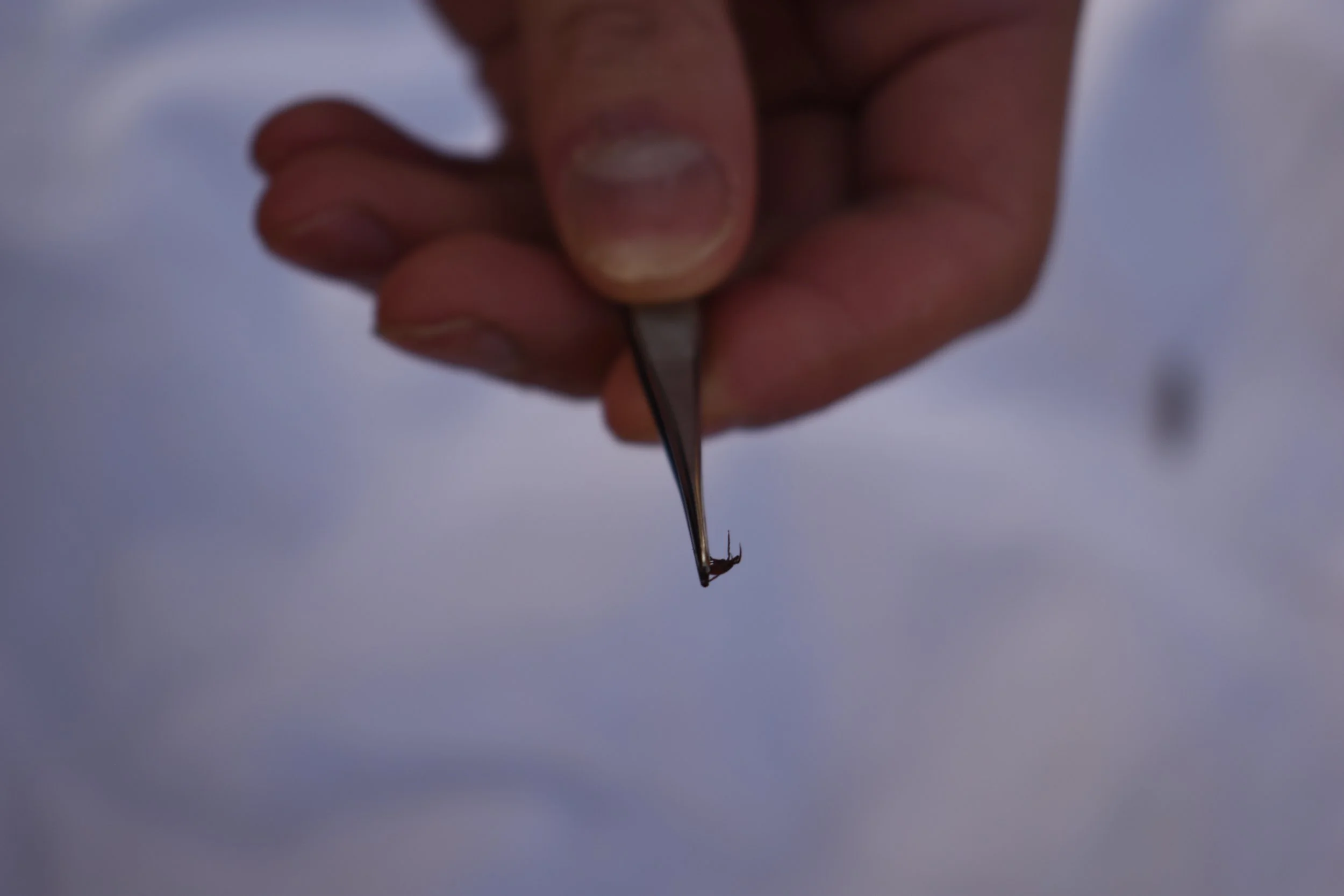
Rich, Siegel & Xu (2023) - Using ticks for diagnosis
When a tick bites you, don't throw it away—it holds clues to what diseases you might catch. Testing the tick itself can help doctors make faster, smarter treatment decisions.


Research by our department
-
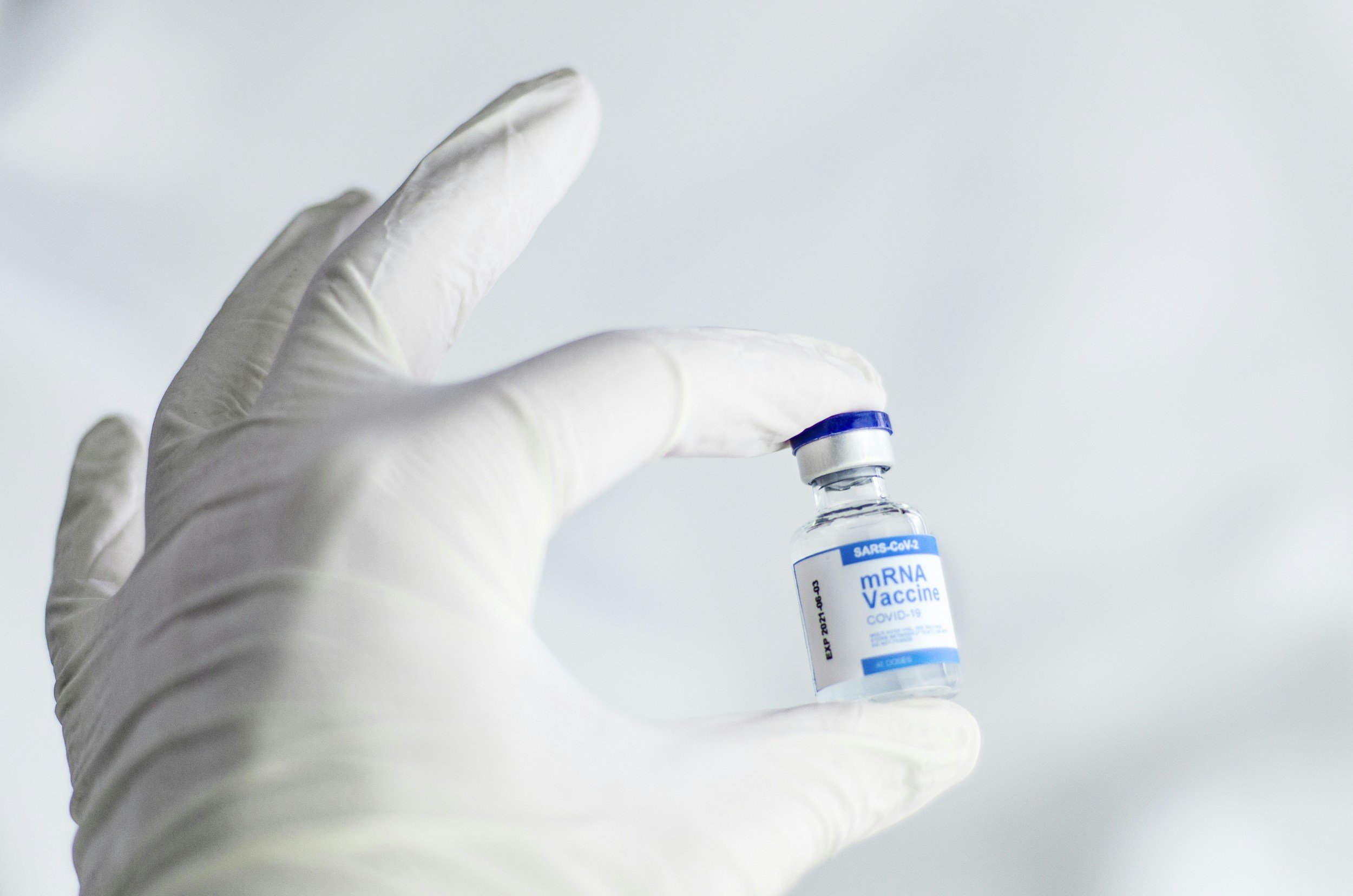
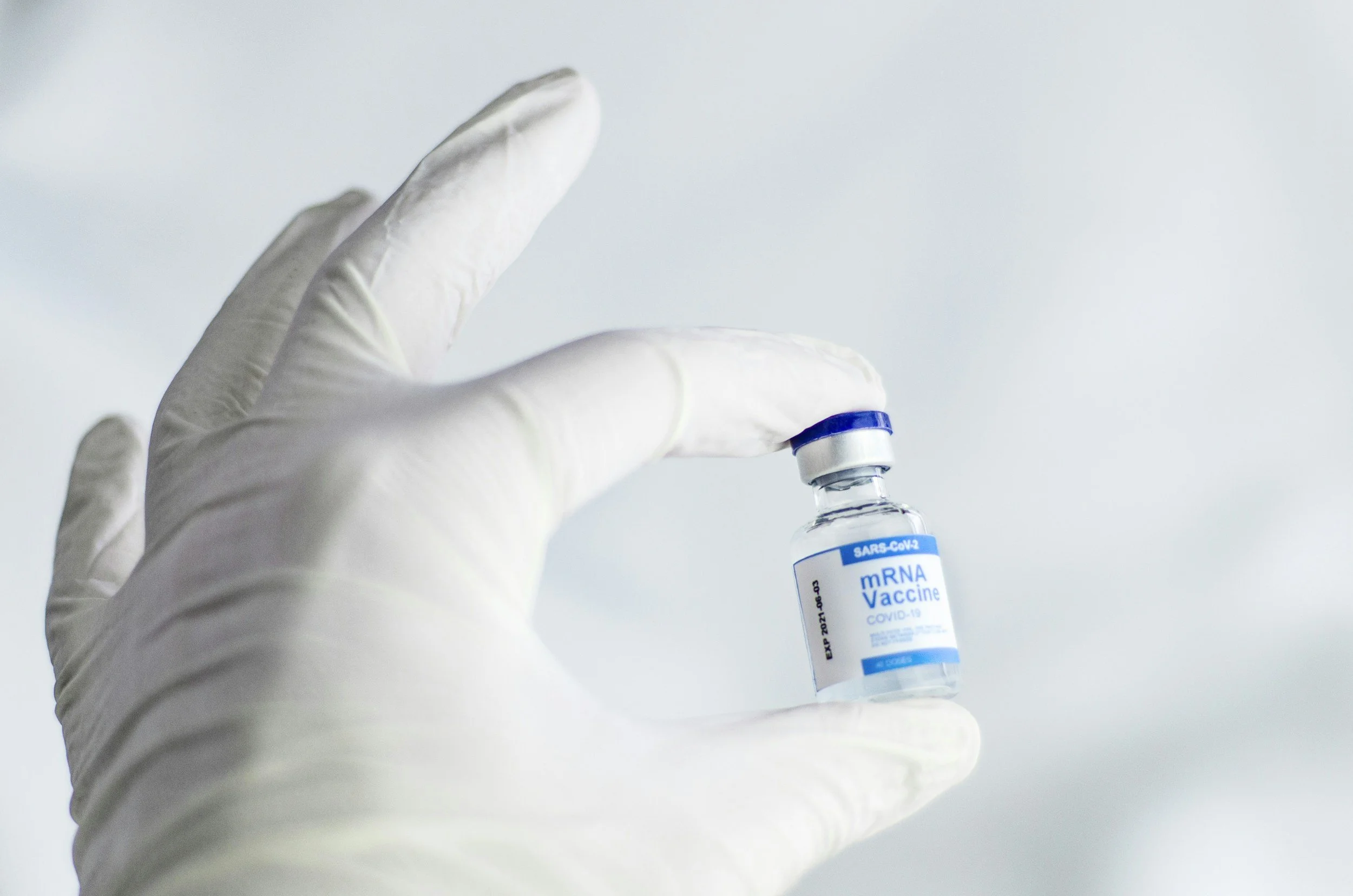
Siegel & Rich (2026) - The Lyme Disease Vaccine Paradox
A Lyme disease vaccine exists—so why can't you get one? This paper explores the tangled history of vaccine hesitancy and regulatory hurdles that have left millions unprotected.
-

D'hers et al. (2025) - Wearable tick repellent device
Imagine a wristband that releases tick repellent exactly when you need it. Researchers developed a wireless, wearable device that could revolutionize how we protect ourselves from tick bites.
-

Xu et al. (2025) - New Rickettsia in Maine ticks
Scientists found a new type of spotted fever bacterium hiding in ticks from rabbits in Maine. This discovery means there may be more tick-borne diseases circulating in New England than we realized.
-

Artemisinin Partial Resistance in Ugandan Children
The world's best malaria drug is starting to fail in African children. This commentary examines what partial drug resistance means for the global fight against malaria.
-
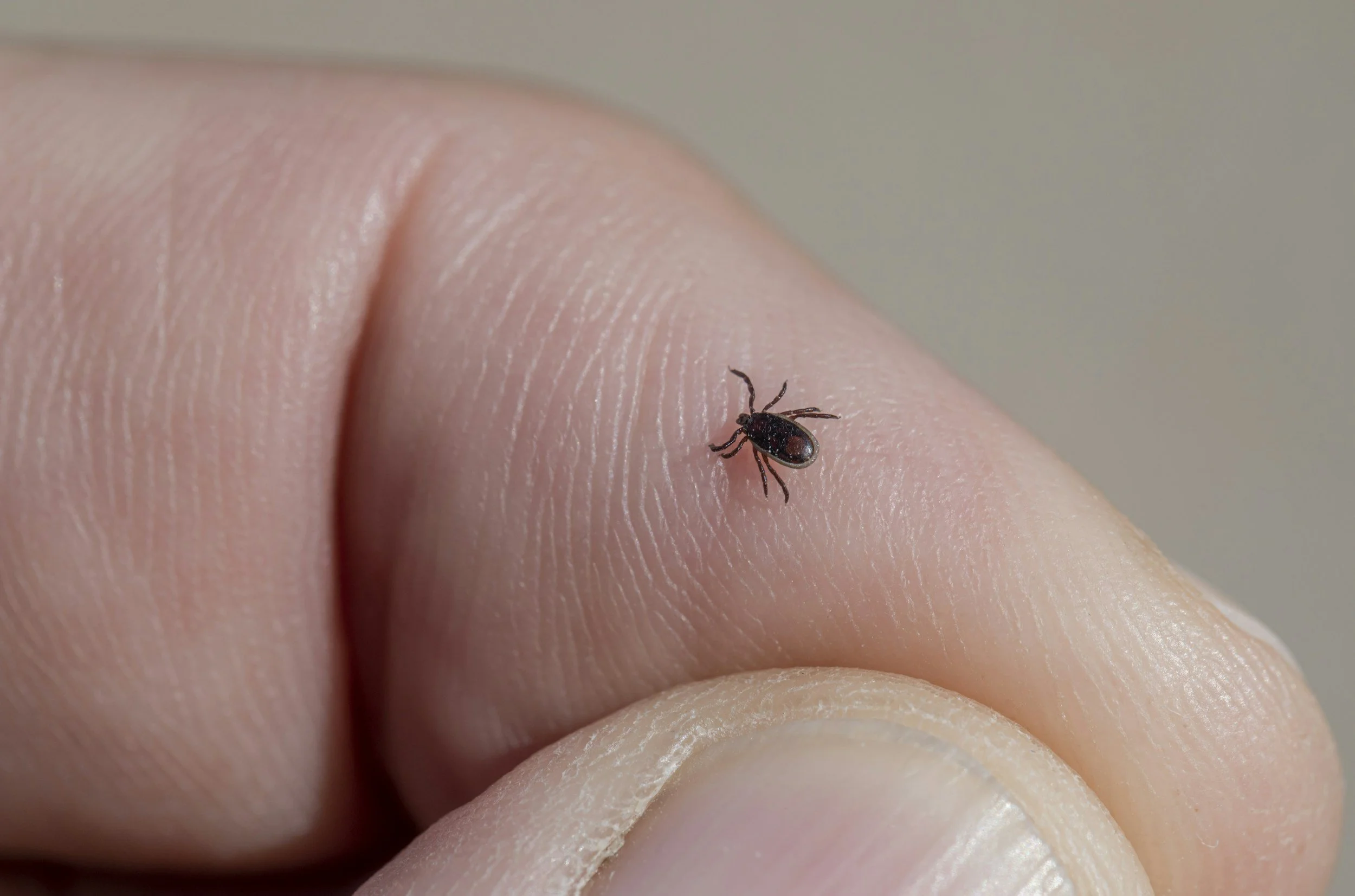
Exploiting a natural instance of vertebrate-posed chemical aposematism for tick bite prevention: Repellency of Ixodes scapularis with (E)-Oct-2-enal
-

Pearson et al. (2025) - Anaplasma in deer keds Deer keds
Deer keds—those flat, creepy flies that latch onto deer—are carrying bacteria that cause a Lyme-like illness. This finding in Massachusetts raises questions about overlooked disease carriers.
-
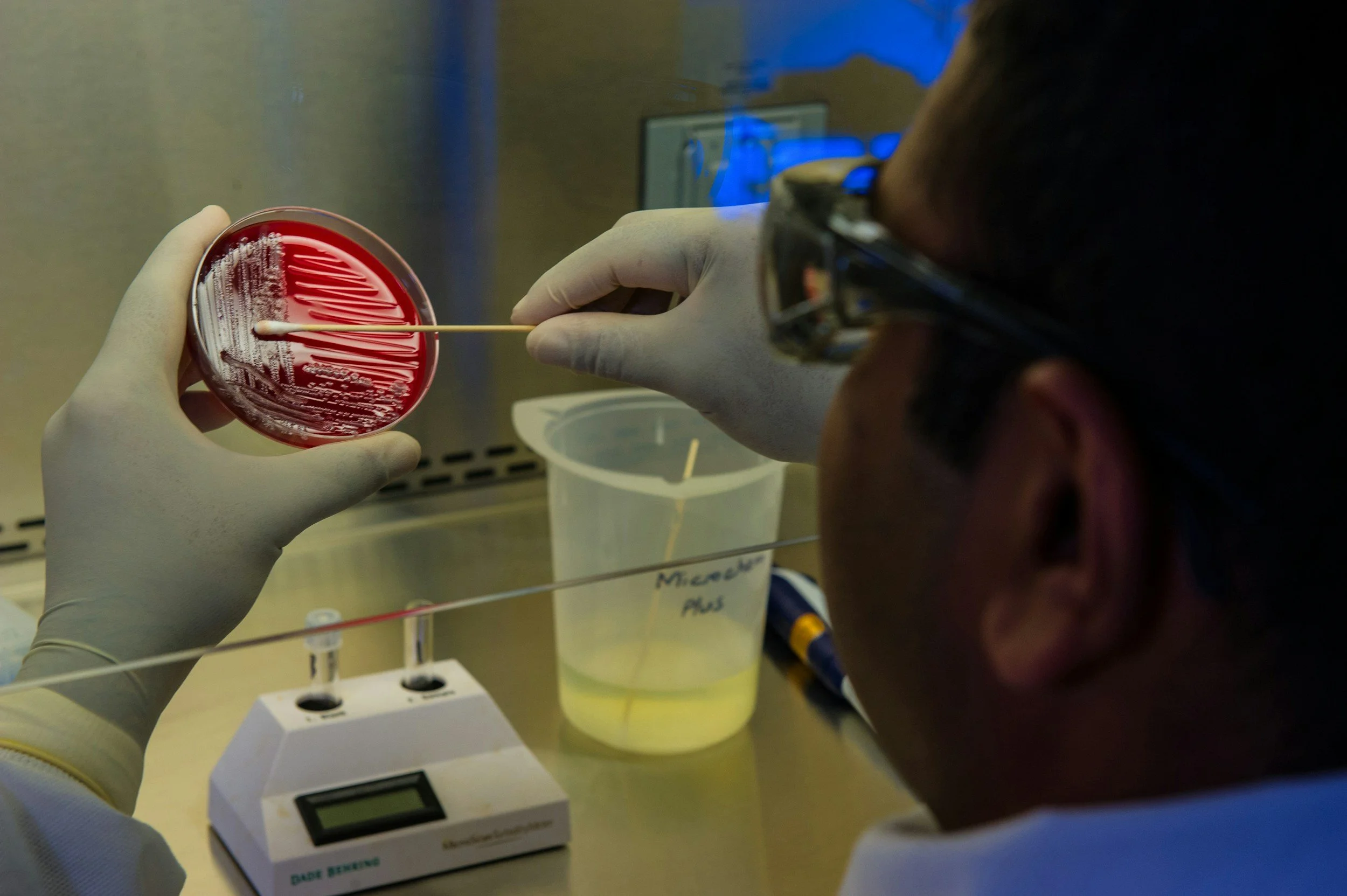
Effects of Inosine-5′-monophosphate Dehydrogenase (IMPDH/GuaB) Inhibitors on Borrelia burgdorferi Growth in Standard and Modified Culture Conditions
-
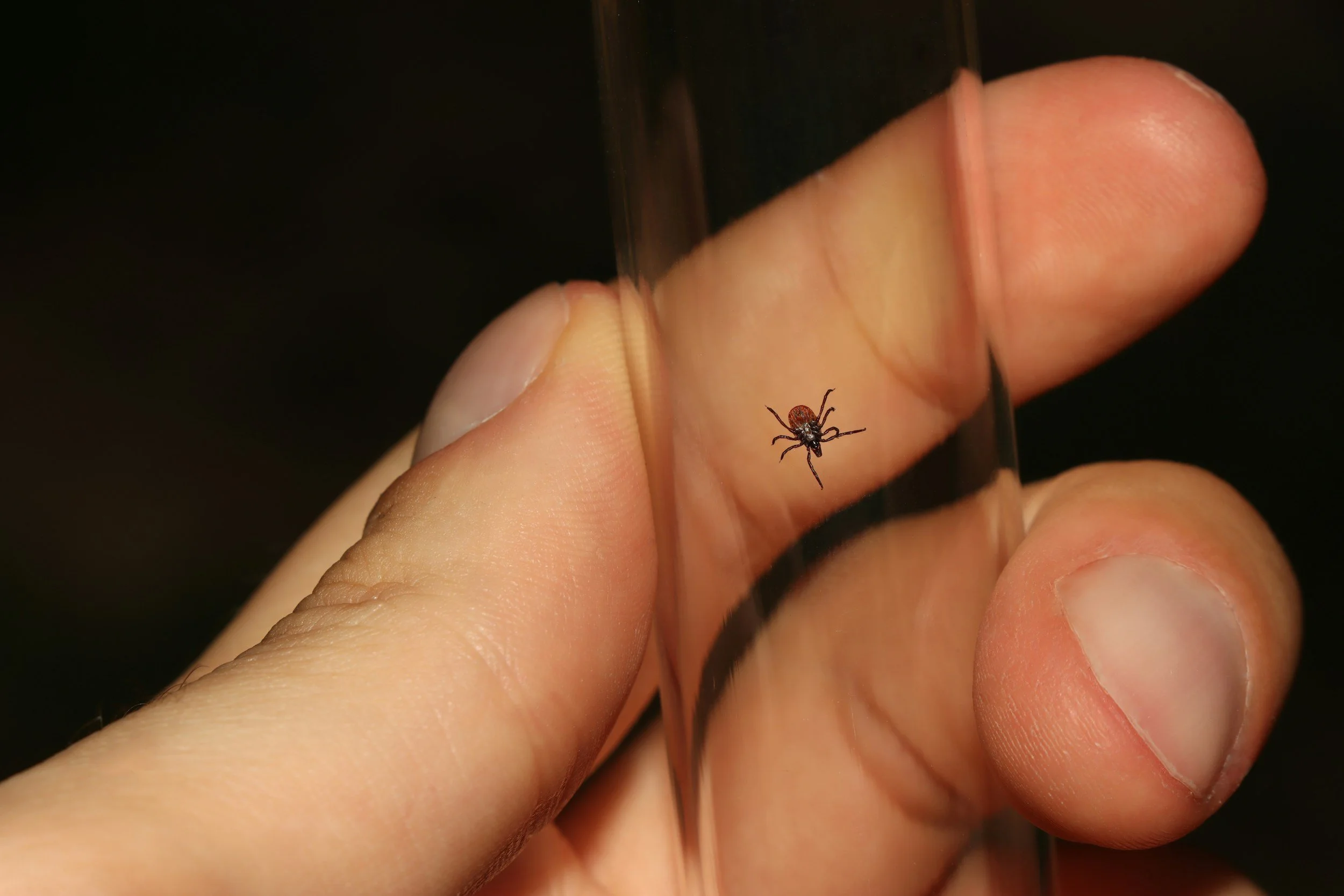
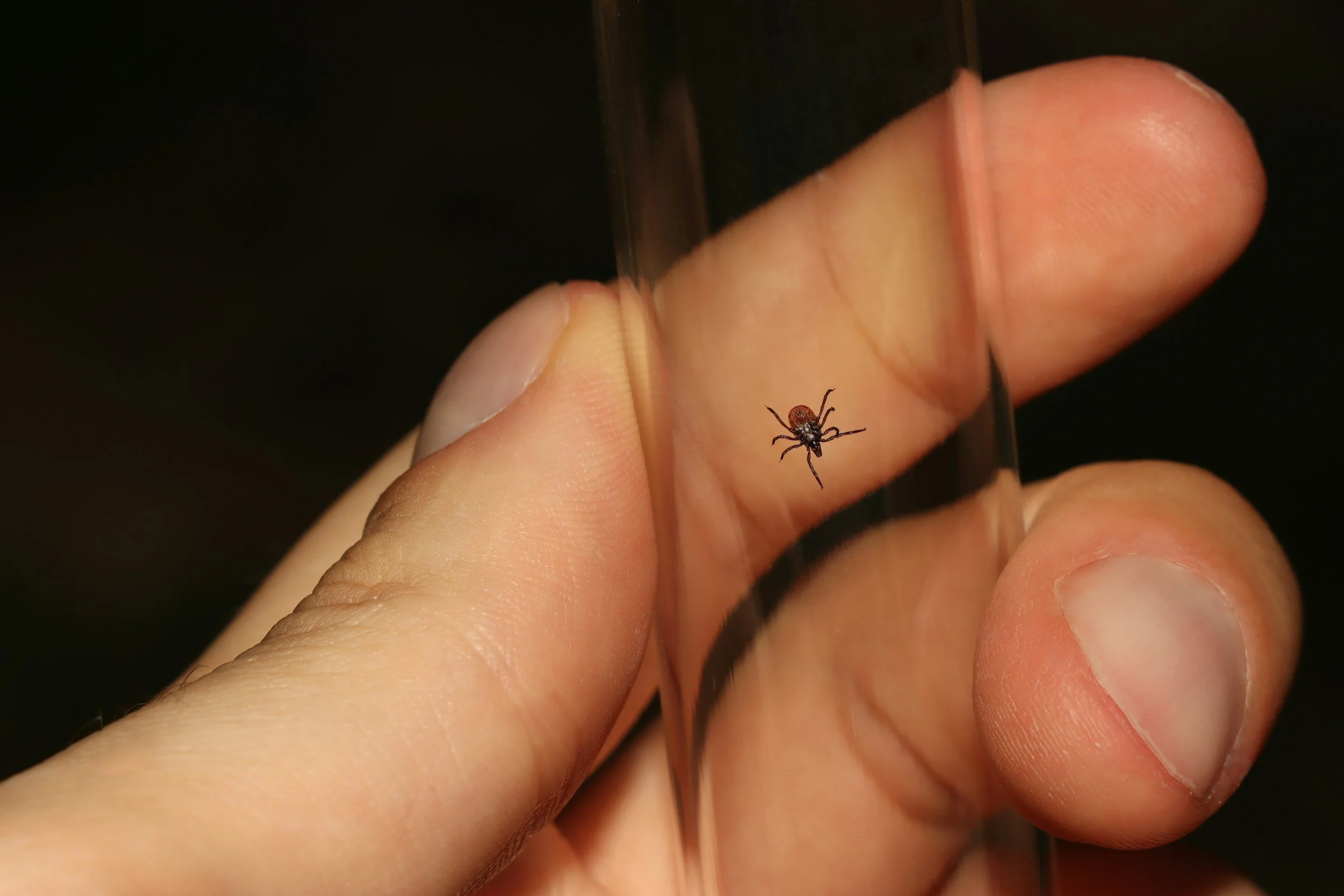
Siegel et al. (2024) - Powassan virus surveillance
People who submitted ticks that bit them helped scientists track a deadly brain virus. This "citizen science" approach revealed that the Powassan virus is more widespread than previously known.
-

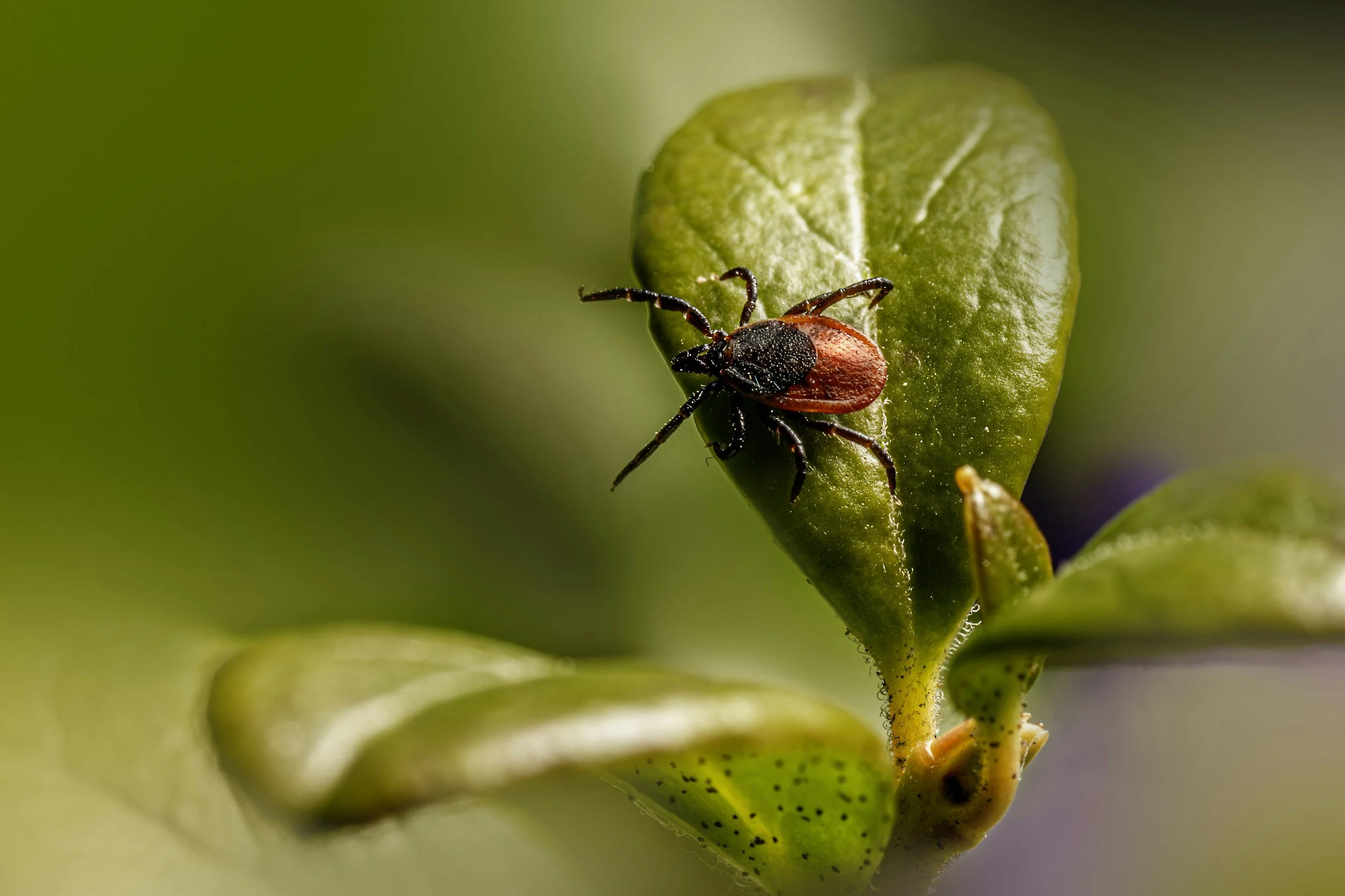
Johnson et al. (2024) - Lone Star ticks spreading in Massachusetts
An aggressive southern tick species is establishing itself on Massachusetts islands, even as the familiar deer tick persists. Climate change is reshaping which ticks—and diseases—threaten New Englanders.
-
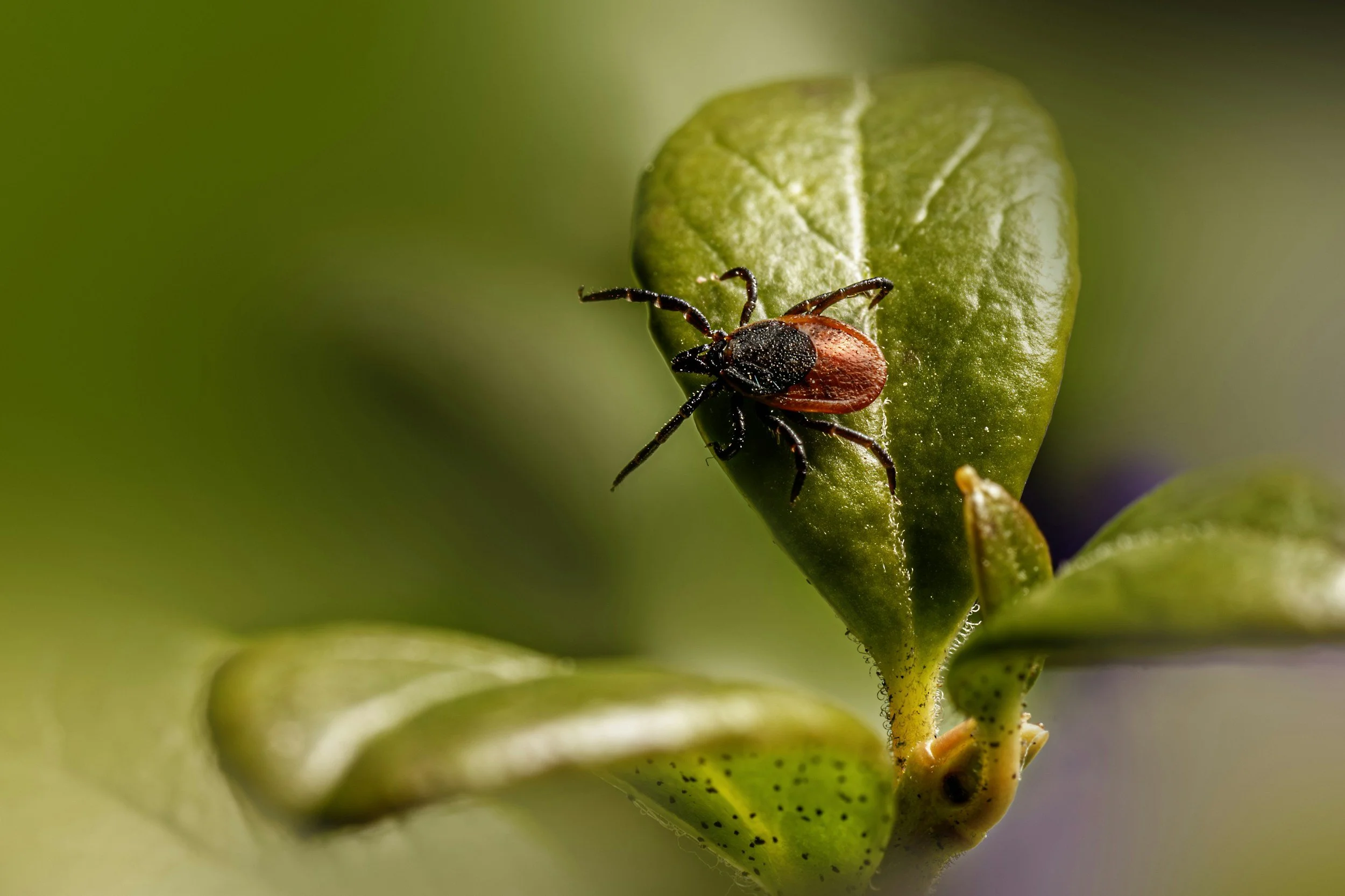
Wormser, Mather & Rich (2024) - Treating deer to stop Lyme
What if we could eliminate Lyme disease by giving deer a simple pill that kills their ticks? This provocative idea explores whether treating wildlife could protect humans.
-
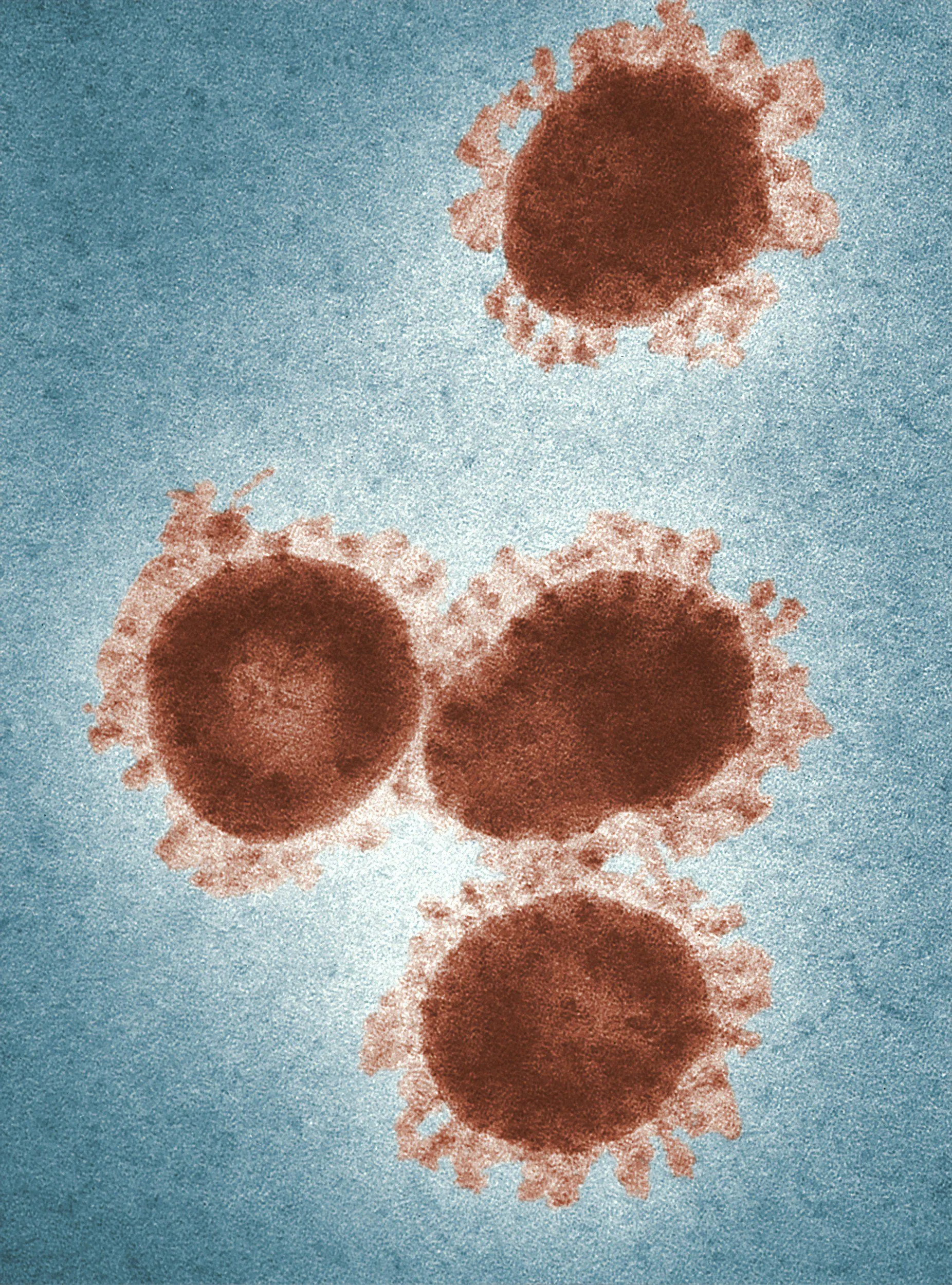
Oppler et al. (2024) - Lyme bacteria expansion in New York
As Lyme disease spreads into new areas of New York, scientists tracked how the bacteria's genetic diversity changes. Understanding this expansion helps predict where outbreaks might occur next.
-
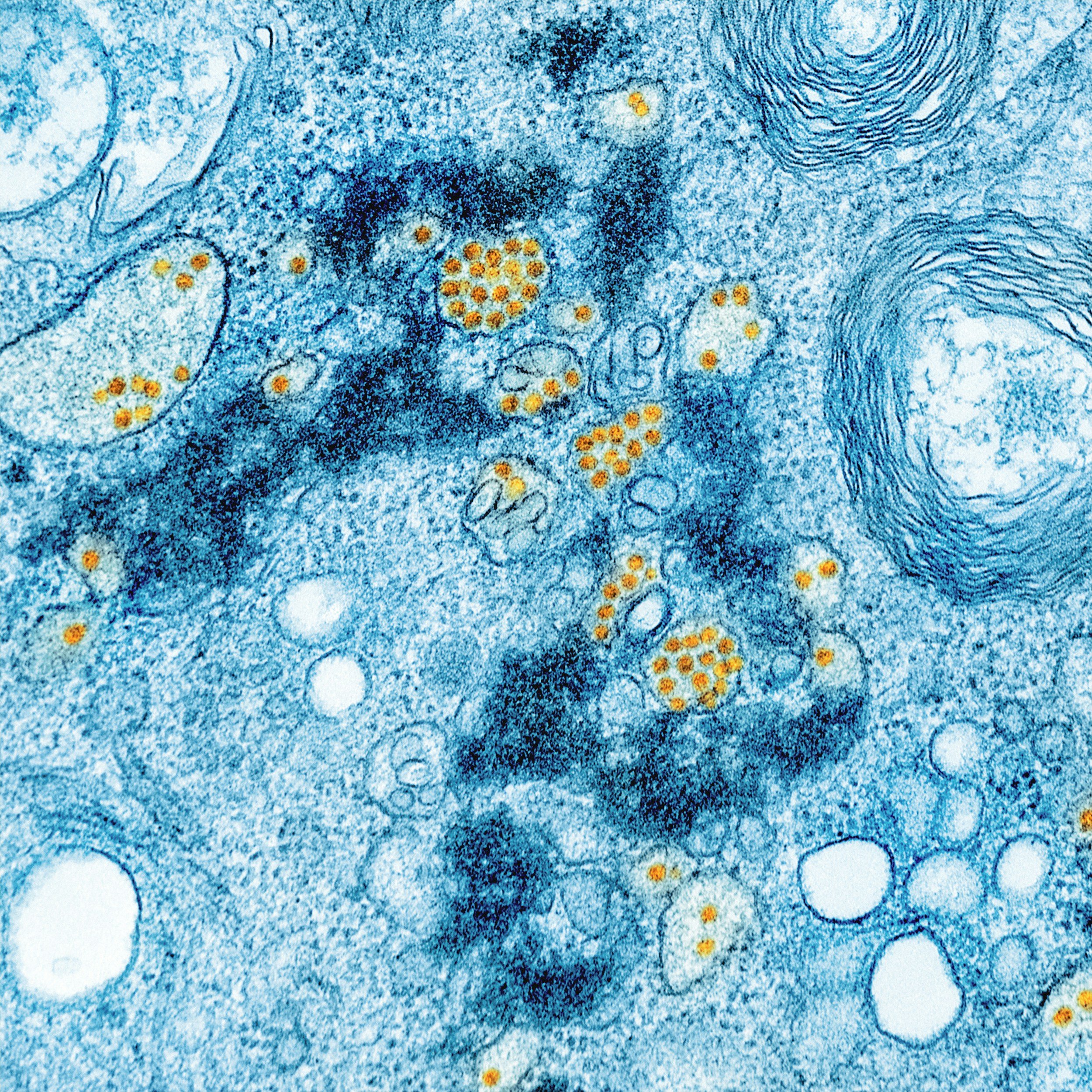
Xu et al. (2024) - Powassan virus detection methods
A new lab test can detect the deadly Powassan virus faster and more accurately than before. Better testing means doctors can identify this rare but dangerous infection sooner.
-
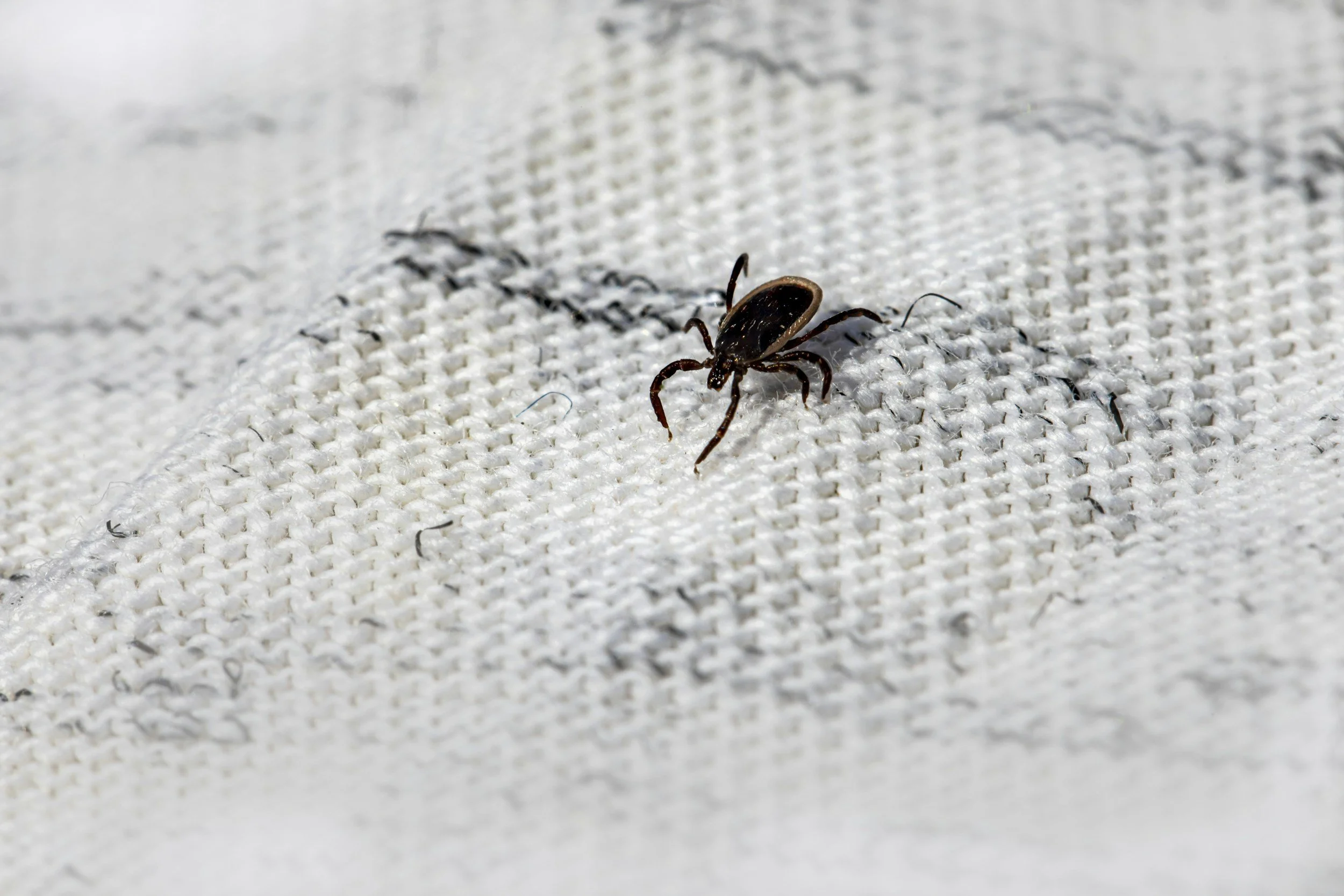
Siegel et al. (2024) - Nootkatone tick repellent
A natural compound from grapefruit and cedar repels deer ticks better than it works on other tick species. This quirk of biology could lead to targeted, eco-friendly tick control.
-

Rich, Siegel & Xu (2023) - Using ticks for diagnosis
When a tick bites you, don't throw it away—it holds clues to what diseases you might catch. Testing the tick itself can help doctors make faster, smarter treatment decisions.
-

Pearson et al. (2023) - Deer blood kills Lyme bacteria
Here's a paradox: deer carry the ticks that spread Lyme disease, but their blood actually kills the Lyme bacterium. Understanding this immunity could inspire new ways to fight the infection.
-
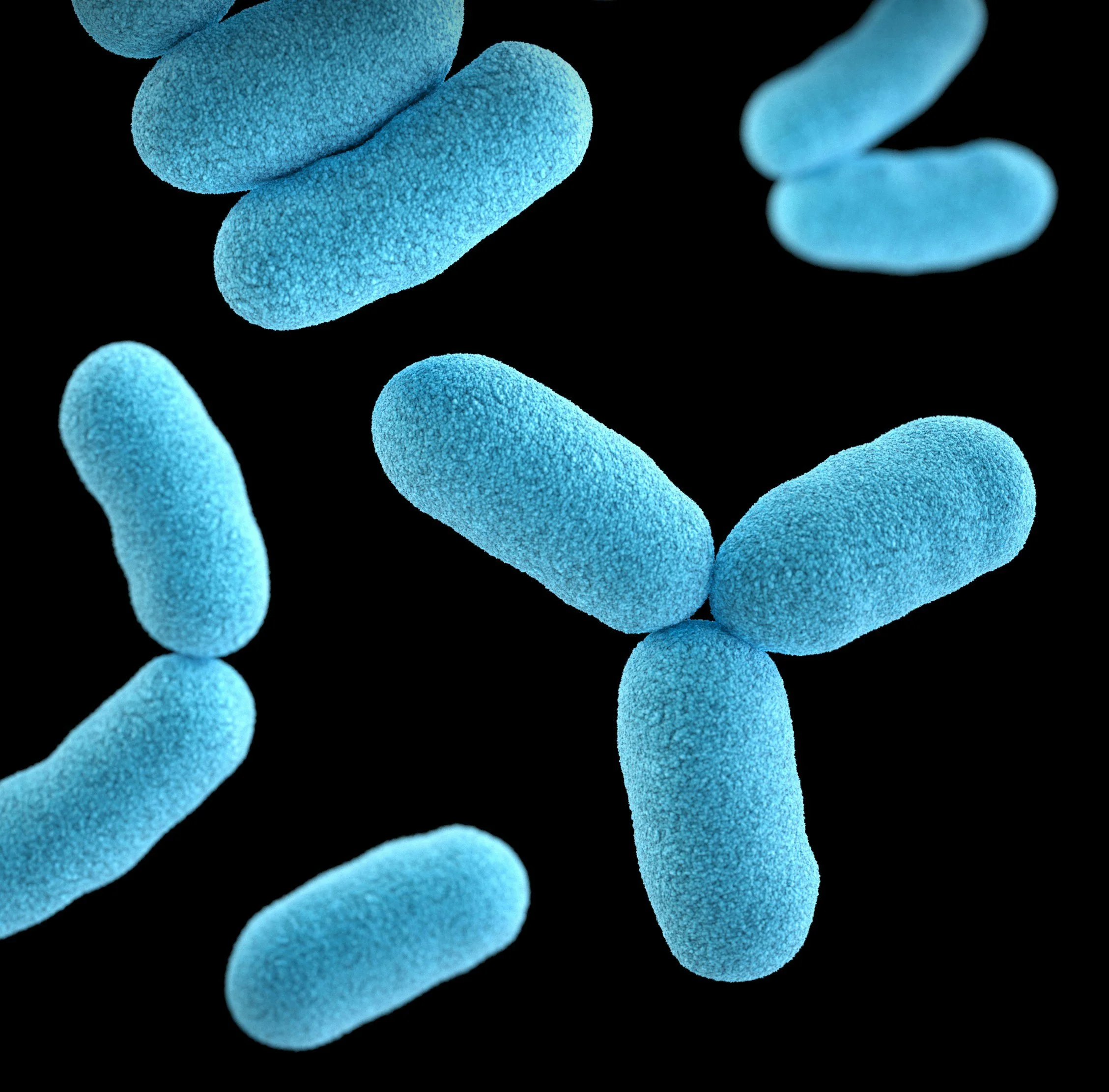
Lynch et al. (2023) - Lactate dehydrogenase inhibitors for Lyme
A class of drugs that targets how cells produce energy can kill Lyme disease bacteria in the lab. This discovery points to potential new treatments for a disease that affects hundreds of thousands of people annually.
-

Snow et al. (2023) - Ticks on Massachusetts islands
Coastal islands might seem like escapes from tick-infested mainland, but they have their own tick problems. Researchers mapped tick populations on Massachusetts islands to understand disease risk for visitors.
-
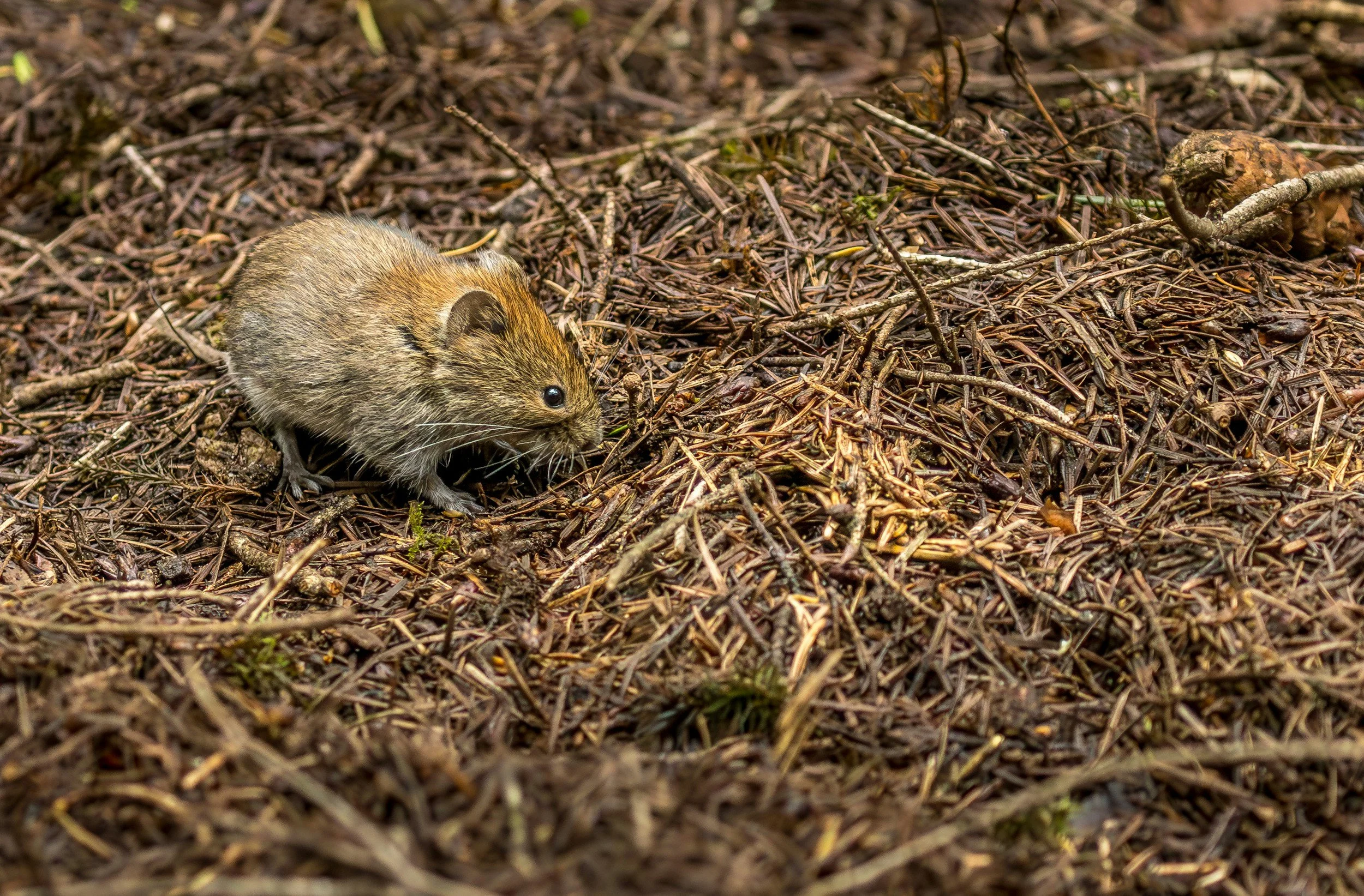
Xu et al. (2023) - Ehrlichia muris in Massachusetts
A tick-borne illness first discovered in Wisconsin has now been found in Massachusetts mice and ticks. This pathogen's eastward spread means more people may be at risk.
-

Siegel et al. (2023) - Tick surveillance predicts disease rates
The ticks people mail in after being bitten can predict how much Lyme disease a town will see. This simple surveillance method could help communities know their risk level.
-
Pearson et al. (2023) - Deer blood kills Lyme bacteria
Here's a paradox: deer carry the ticks that spread Lyme disease, but their blood actually kills the Lyme bacterium. Understanding this immunity could inspire new ways to fight the infection.
Our Location
270 Stockbridge Road, Amherst, Massachusetts 01003
Phone
(413) 545-1057