
Common tick-related questions
-

What do I do if I find a tick biting me?
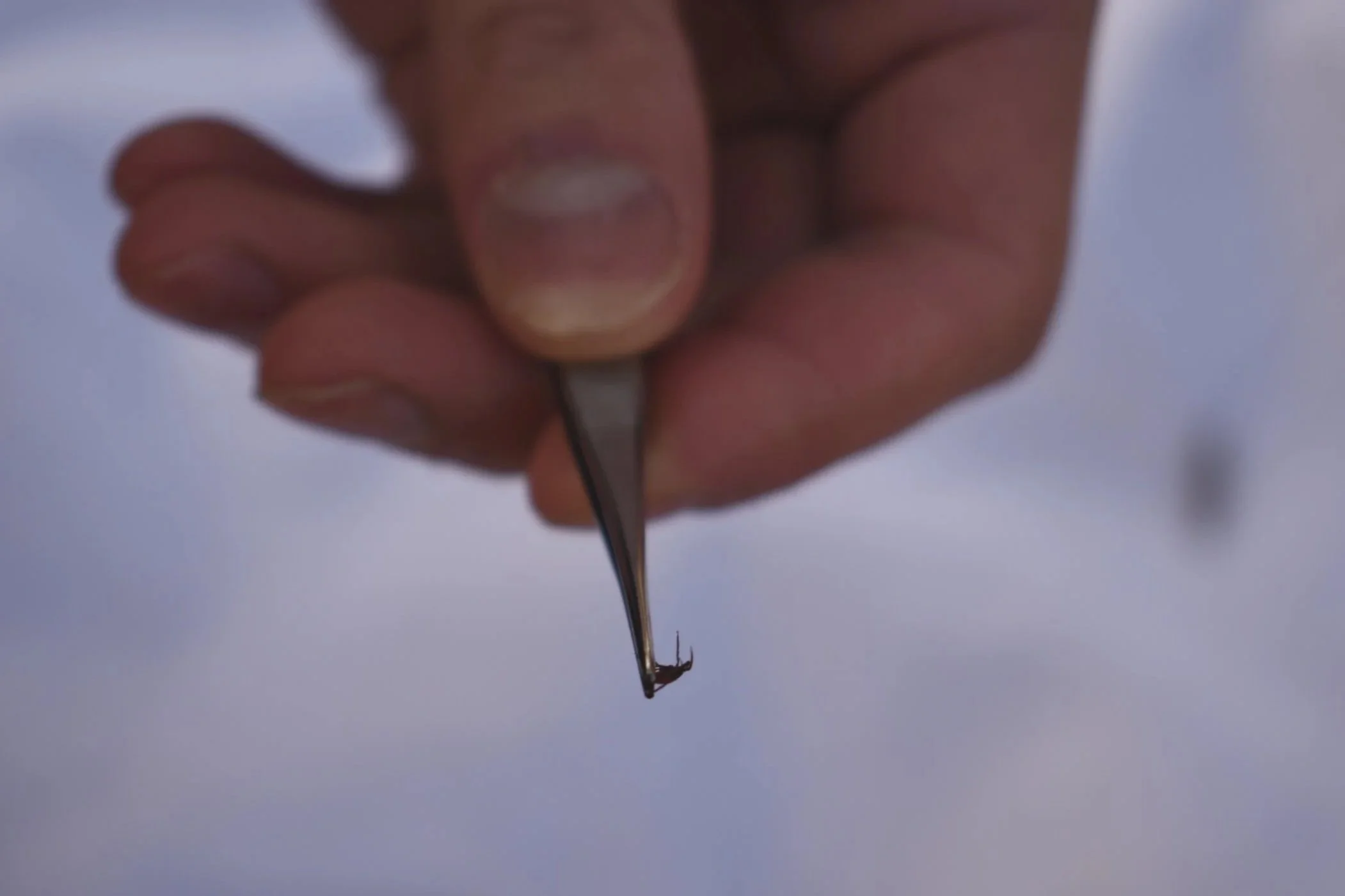
Remove it as soon as possible. Preferably, remove it with tweezers; fingers work as well. You can send it in for testing, keep track of any symptoms, and reach out to your doctor if they worsen.
-

How can I reduce my risk of tick bites outdoors?
When doing outdoor activities wear long sleeves, pants and long socks that you can tuck your pants into. There are many effective insecticides like permethrin that you can spray on your clothes. Overall stay on marked trails and regularly check for ticks.
-

Where on my body should I check for ticks?
Ticks often attach in hard-to-see areas such as the scalp, around the ears, under the arms, around the waist, behind the knees, between the legs, and around the groin.
-

Do all tick bites cause disease?
No, all ticks do not cause diseases. While you should be cautious, you do not need to freak out. Keep track of symptoms and contact medical professionals if anything changes
-

If I leave the head of a tick in my skin, can I still get Lyme disease?
No, leaving the head of a tick in your skin will not result in Lyme disease.
-

Do I need antibiotics if I find a tick on me?
If you find a tick on you, reach out to your medical provider. Not all tick-related health issues are solved with antibiotics.
-

How do you dispose of a tick you have found on you
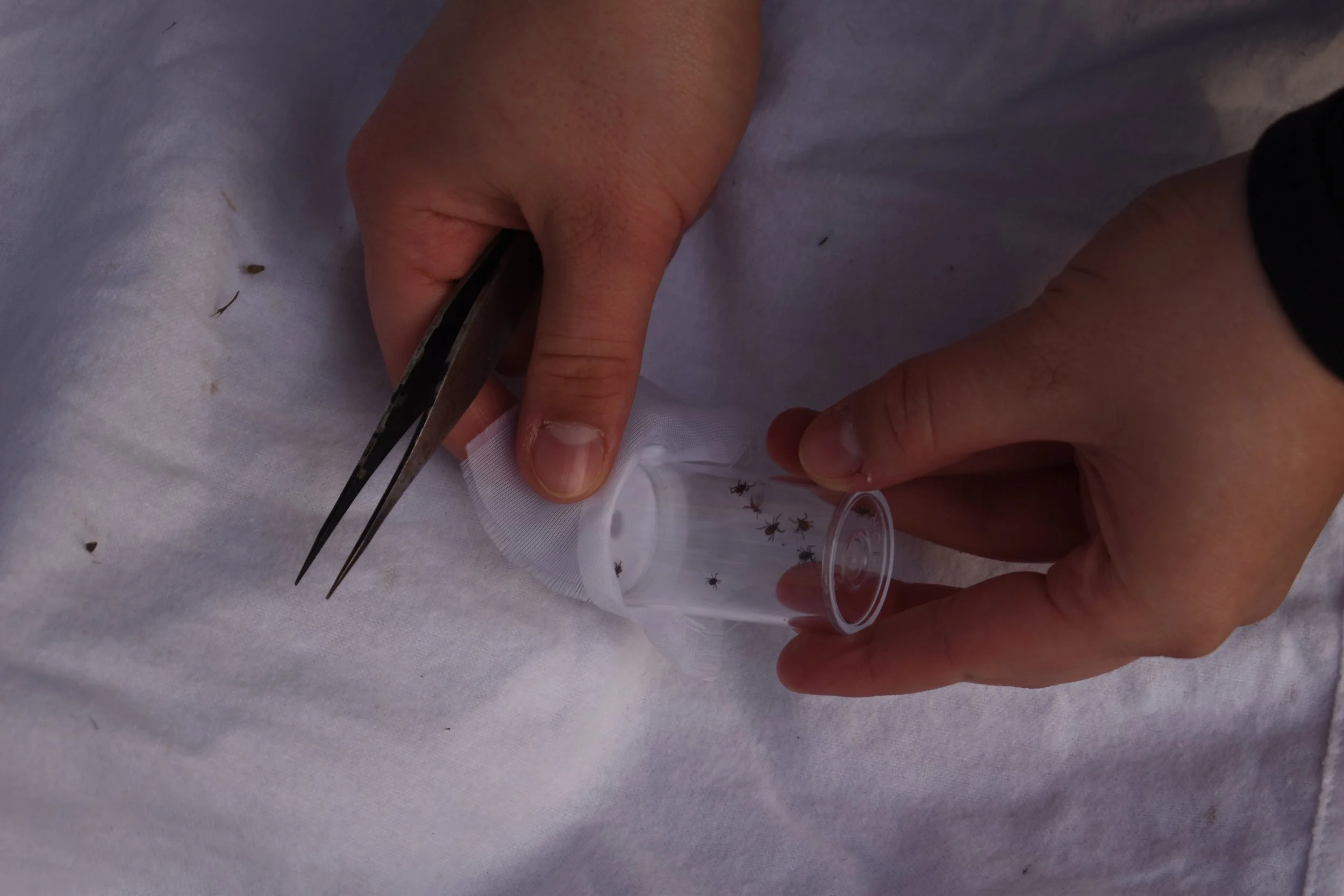
You can send the tick to be tested or you can put it in a plastic bag and throw it away.
-
When are ticks most active?
Ticks are most active early spring through the summer with a second wave in the fall.
Do you have a question?
Ask an expert
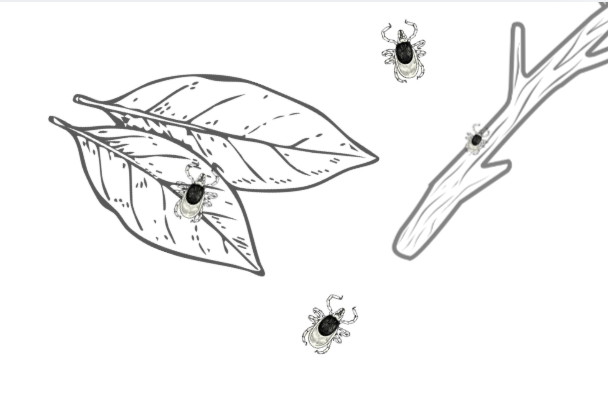
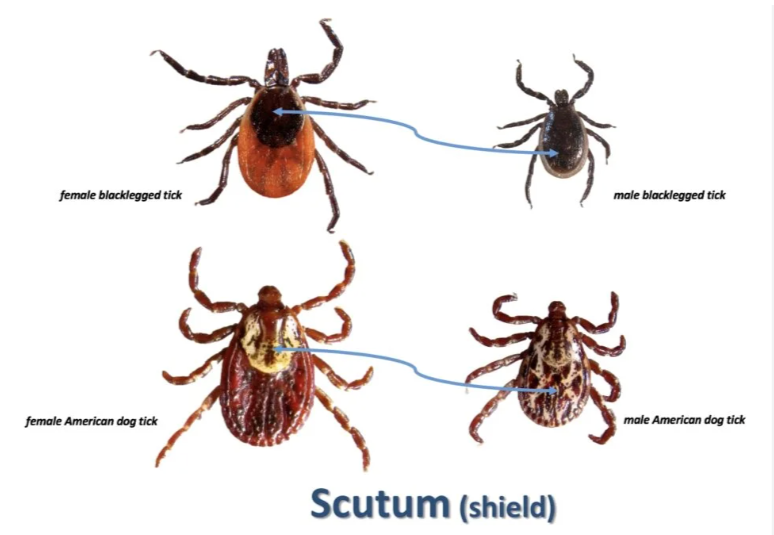
Ticks commonly found in the New England area
Black-legged (deer) tick
American dog tick
In some areas, the Lone Star tick

Our Location
270 Stockbridge Road, Amherst, Massachusetts 01003
Phone
(413) 545-1057